Stone-milled flours & fresh batter
Stone-milled flours & fresh batter, ground in small batches
We mill grains fresh, in small batches, so the flour still carries the aroma of the grain it came from. Our idli–dosa batter is ground fresh too, never stored for months, so it reaches you as a living, fermenting thing, the way it should.
Why we mill fresh
Flour has a shelf life of flavour, not just safety
Grain is happiest whole. Once it is milled, it begins, slowly, to lose its aroma, which is why we grind in small batches close to order rather than sacking up months of stock. You taste the difference in a warm chapati or a plate of kozhukattai: the flour smells of the grain, not of the bag.
The batter follows the same idea. Instead of a long-life pouch designed to sit on a shelf, ours is ground fresh from rice and urad dal and kept cold, a product that is meant to be used soon, not stored away.
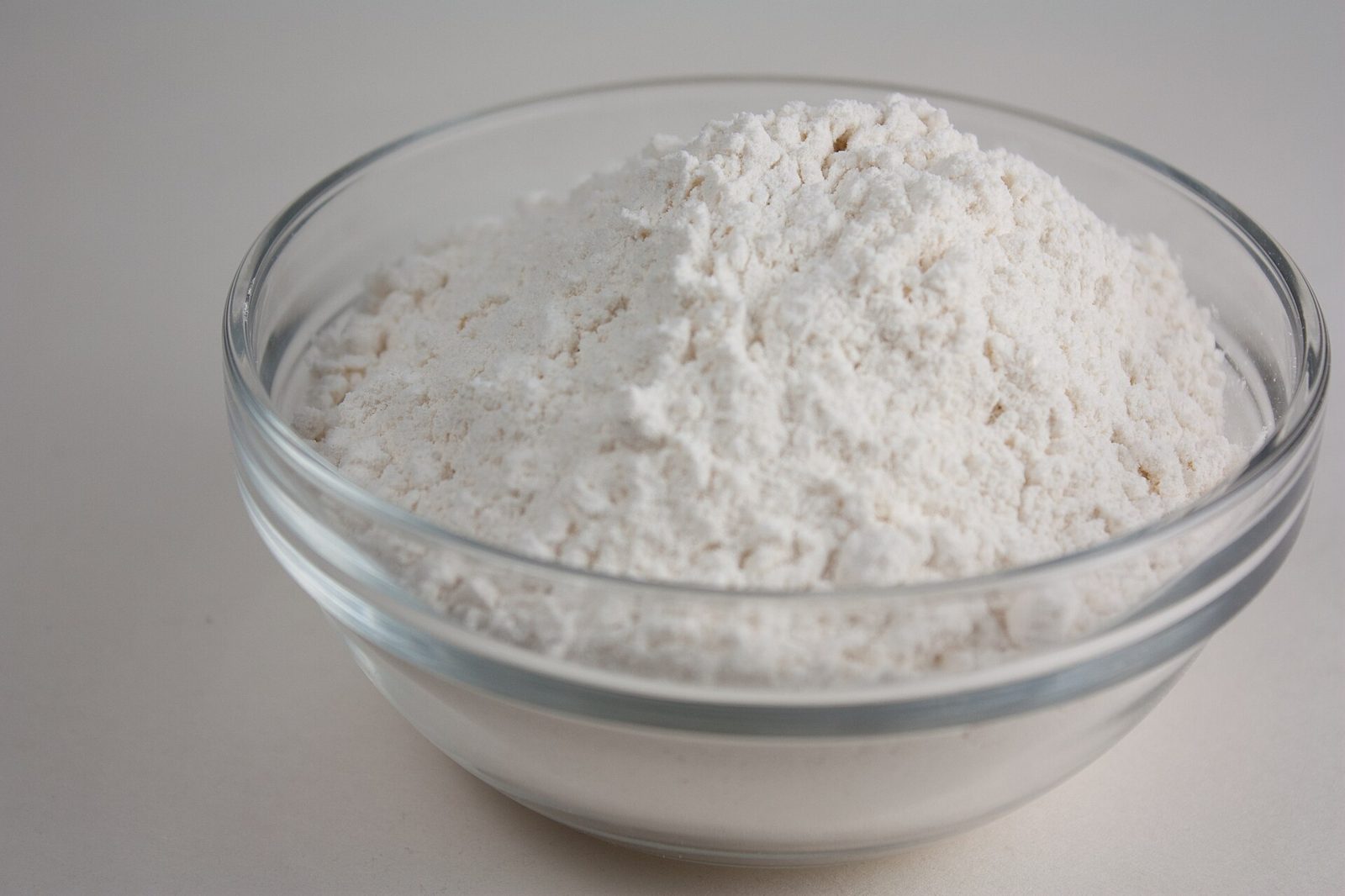

Why stone-milled
What a stone mill does differently
A stone mill grinds the grain slowly between two heavy stones. Working at gentle speeds keeps milling temperatures low, and rather than sieving the grain apart it crushes the whole grain together, bran, germ and endosperm in one. That is why a fresh stone-ground atta smells of wheat, feels slightly coarse to the touch, and behaves a little differently from packet flour.
A high-speed roller mill, by contrast, separates the grain and sieves much of the bran away to make a fine, pale, long-keeping flour. Neither is wrong, they are simply different. We choose the stone because it lets us keep the whole grain and mill it close to order.
What we mill
Three things, ground close to order
Wheat and rice flours milled fresh, and a batter that is ground rather than bottled. Each one is made in small batches so it leaves us close to its best.

Whole Wheat Flour (Atta)
Freshly milled wheat for everyday chapati, roti and poori, soft to knead and fragrant when it hits the tawa. Because it is whole wheat, the flour retains the bran of the grain rather than sieving it out.
Best for: chapati, roti, poori and soft flatbreads.
Fresh-Milled Rice Flour
Rice milled fresh into a fine flour for South-Indian snacks and steamed sweets. The kind of flour you reach for when you are making kozhukattai, murukku or a quick batter at home.
Best for: kozhukattai, snacks, sweets and home batters.
Fresh Idli–Dosa Batter
Ground from rice and urad dal, with nothing added to preserve it. Keep it refrigerated and use it promptly, while it is fresh. Let it warm to room temperature and ferment before you make idli or dosa.
Best for: soft idli and crisp dosa, ground the way it would be at home.
From the grinder to your tawa
Batter that arrives ready to ferment
Our idli–dosa batter is ground from rice and urad dal and kept cold, never bottled to sit on a shelf. Bring it to room temperature, let it ferment, and it gives you soft idli and crisp dosa, the way a batter ground at home behaves, because that is essentially what it is.
It is a living thing, so it asks for a little care: keep it refrigerated, let the fermentation do its work, and use it while it is fresh.
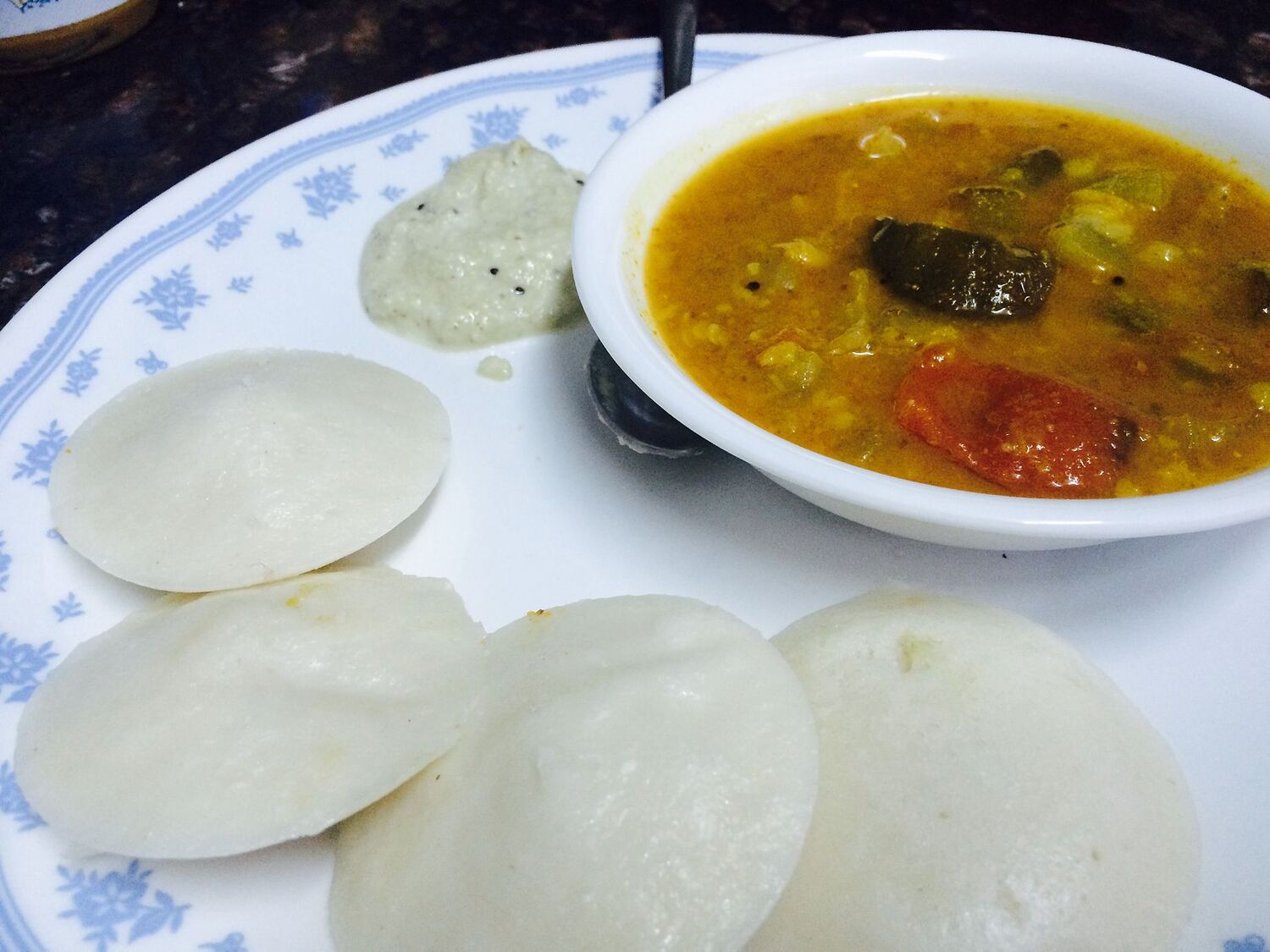 Idli, made from freshly ground batter
Bring your own grain
Our mill isn't only for our own flours. Bring your wheat or rice and we can mill it for you, freshly, so you go home with flour you watched being made, and nothing else added to it.
See our milling servicesA service, not only a shop
Your grain, milled fresh while you wait
Many families would rather keep grain whole and have it milled when they need it, it is one of the surest ways to know exactly what is in your flour. We are glad to do that. Drop off your own clean, dry grain and we'll mill it for you in small batches.
It is the same thinking that runs through everything we make: keep things close to their natural state, and keep the trail back to the field short and clear.
Looking after fresh flour
Fresh flour keeps its bran and germ, so it deserves a little care
Because we keep the whole grain together, fresh stone-milled flour holds on to the oily bran and germ. That is what gives it its aroma, and it is also why it stales sooner than a refined, shelf-stable flour, and can eventually turn rancid. The same honesty we apply to an unrefined oil applies here.
- Store it airtight, cool and dark, a sealed container in a cupboard away from heat.
- In hot, humid months, keep atta in the fridge in a sealed container to slow it down.
- Buy quantities you will use within a few weeks rather than stocking up for months.
- Keep the batter refrigerated and use it promptly, while it is fresh.
Think of it the way you would an unrefined oil: nothing has been stripped out to make it last, so a little care keeps it tasting of the grain.
The same idea, for oils: how to store cold-pressed oilsGood questions
Flours & batter, answered
We mill grains in small batches and grind batter fresh, close to order, rather than holding stock for months. That is how the flours keep their aroma and the batter reaches you as a fresh, living product.
No. The idli–dosa batter is simply ground from rice and urad dal, with nothing added to preserve it. Because of that, please keep it refrigerated and use it promptly, while it is fresh.
Rice and urad dal are not gluten-containing grains, so rice flour and idli–dosa batter do not contain gluten as an ingredient. However, we mill them in a facility that also handles wheat, so there is a chance of cross-contact and we do not label any product gluten-free. Our whole wheat flour (atta) naturally contains gluten.
That is fermentation doing its job. A gentle sourness and a rise in the batter are normal signs of a healthy, naturally fermenting batter. Keep it refrigerated, then let it warm to room temperature so it can ferment before you make idli or dosa.
Yes. Bring your own clean, dry wheat or rice and we can mill it for you in small batches. You can read more on our services page, or get in touch to arrange it.
Order & enquire
Fancy flour that still smells of the grain?
Order our stone-milled flours or fresh idli–dosa batter, ask us to mill your own grain, or send a wholesale enquiry, we'll mill it close to order.